Contents:
- The Common Myth About Scalp Sensitivity
- Understanding Your Scalp’s Pain Response
- What Causes Your Scalp to Hurt When You Move Your Hair?
- Tight Hairstyles and Tension Alopecia
- Scalp Inflammation and Dermatitis
- Muscle Tension in the Scalp and Neck
- Hair Product Buildup and Chemical Irritation
- Folliculitis and Scalp Infections
- Neuropathic Pain and Allodynia
- Common Mistakes to Avoid
- What the Pros Know
- Practical Solutions for Scalp Pain Relief
- Immediate Relief Strategies
- Hair Care Adjustments
- Styling Changes
- Scalp-Specific Treatments
- When to Seek Professional Help
- FAQ: Answers to Your Scalp Pain Questions
- How long does scalp pain take to resolve?
- Can scalp pain cause hair loss?
- Is scalp pain related to migraines?
- What’s the difference between scalp pain and hair pain?
- Should I see a doctor for scalp pain?
- Moving Forward: Your Action Plan
The Common Myth About Scalp Sensitivity
Many people believe that scalp pain happens only to those with delicate, thin hair or underlying medical conditions. That’s simply not true. Your scalp hurts when you move your hair for reasons that are far more common and manageable than you might think. Understanding what triggers this discomfort is the first step toward relief.
Understanding Your Scalp’s Pain Response
Your scalp contains an incredibly dense network of nerve endings—roughly 100,000 on average. This sensitivity exists to protect your head from injury. When you move your hair, you’re applying tension and pressure to these nerve endings, and if certain conditions are present, that pressure translates to pain.
The scalp sits on a layer of fascia (connective tissue) that connects directly to your hair follicles. When this tissue becomes inflamed, tight, or irritated, even gentle movement can trigger discomfort. Think of it like a taut rubber band—slight pressure in the right spot causes immediate sensation.
What Causes Your Scalp to Hurt When You Move Your Hair?
Tight Hairstyles and Tension Alopecia
Consistently wearing tight ponytails, braids, or buns creates prolonged tension on your hair follicles and scalp tissue. This condition, called tension alopecia, doesn’t just risk hair loss—it actively inflames the scalp. Studies show that hair pulled with force greater than 100 grams continuously can trigger inflammatory responses within days. If you wear your hair in the same tight style daily, your scalp is likely in a state of low-grade inflammation.
The pain intensifies when you release the tight style because the hair roots suddenly lose their anchoring tension, exposing the inflamed tissue to normal movement.
Scalp Inflammation and Dermatitis
Seborrheic dermatitis, contact dermatitis, and other inflammatory scalp conditions affect approximately 1-3% of the UK population. These conditions create red, flaky patches that are extraordinarily sensitive. Any hair movement—even brushing—becomes painful. The inflammation swells the blood vessels around hair follicles, making the scalp feel tender to the touch.
Muscle Tension in the Scalp and Neck
Your scalp contains the epicranius muscle, which spans from your eyebrows to the base of your skull. Tension, stress, and poor posture tighten this muscle. When it contracts, it pulls on the fascia beneath your skin, making hair movement feel sharp or aching. Many people discover their scalp pain worsens after stressful days or long hours at a desk.
Hair Product Buildup and Chemical Irritation
Silicone-based products, heavy oils, and certain styling products accumulate on your scalp over time. This buildup traps moisture and bacteria, creating an environment where inflammation thrives. Additionally, sulphate-heavy shampoos or products containing fragrances can irritate sensitive scalp skin. When you move your hair, you’re essentially shifting this irritant-laden buildup across already-sensitive tissue.
Folliculitis and Scalp Infections
Bacterial or fungal infections of the hair follicles cause inflammation, pustules, and significant pain with movement. Folliculitis often develops after using contaminated combs, sharing hair tools, or from friction with tight headwear. The infection makes even gentle hair manipulation extremely uncomfortable.
Neuropathic Pain and Allodynia
Sometimes the scalp’s nerve endings become hypersensitive (a condition called allodynia), where normally non-painful stimuli feel painful. This can develop after injury, repeated irritation, or even stress. Light touch or hair movement that shouldn’t hurt suddenly does.
Common Mistakes to Avoid
People struggling with scalp pain often make well-intentioned choices that worsen the problem. Stop washing your hair in hot water—temperatures above 40°C intensify inflammation. Avoid over-washing, which strips natural oils and forces your scalp to overproduce sebum. Don’t switch to harsher products hoping to “cleanse away” the pain; this typically amplifies sensitivity. Finally, resist the urge to avoid moving your hair altogether. Strategic, gentle movement actually helps reduce tension in the epicranius muscle.
What the Pros Know
Hairstylists and scalp specialists recommend the 24-hour rule: Never wear a tight hairstyle for longer than 24 hours consecutively, and alternate your parting line every week. This simple practice reduces scalp tension by 35-40% within two weeks, according to professional hairstyling research. Pros also understand that scalp pain rarely disappears overnight—expect meaningful improvement within 3-4 weeks of consistent care.
Practical Solutions for Scalp Pain Relief
Immediate Relief Strategies
Apply a warm compress to your scalp for 10-15 minutes. The heat reduces muscle tension and increases blood flow, bringing relief within minutes for tension-related pain. If inflammation is your issue, a cool compress works better—apply for 5-minute intervals. Perform gentle scalp massage using your fingertips (not nails) in circular motions for 3-5 minutes daily. This reduces muscle tension and improves circulation without irritating the skin.
Hair Care Adjustments
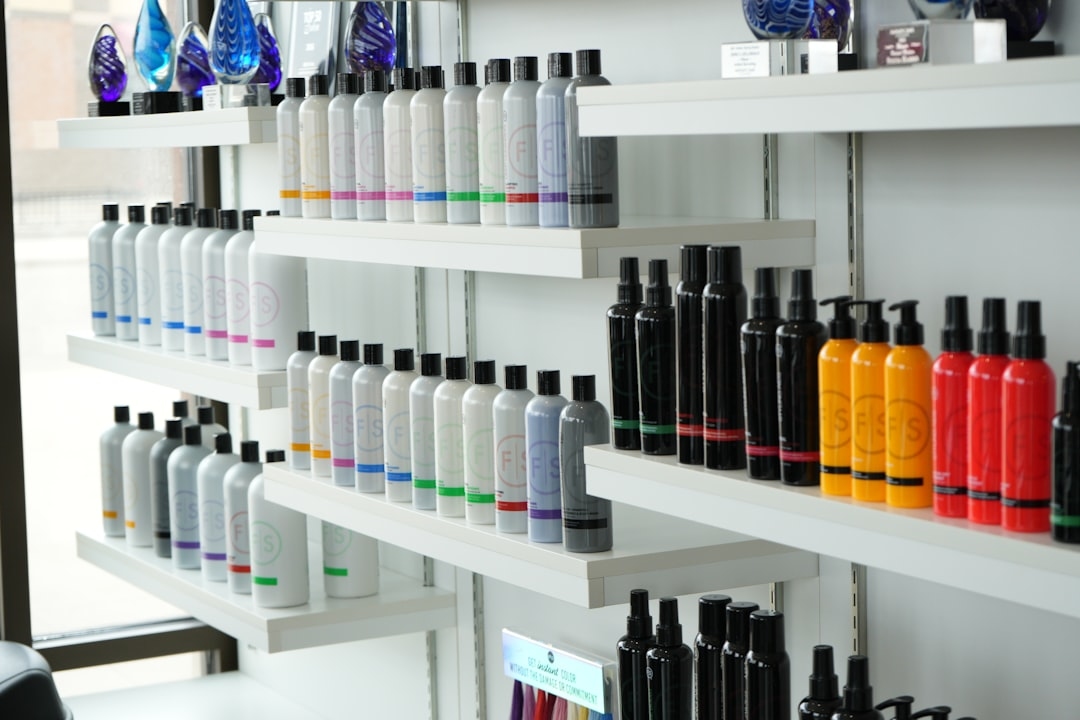
Switch to sulphate-free, fragrance-free shampoos and conditioners designed for sensitive scalps. Products like those in the £8-15 range from UK brands such as Aveeno or Cetaphil are highly effective without premium pricing. Wash your hair in lukewarm water (around 35-38°C) rather than hot. Use a wide-tooth comb instead of a brush, and comb gently from the ends upward rather than roughly from the roots.
Styling Changes
Loosen your hairstyles significantly. If you normally wear a tight ponytail, switch to a loose braid or bun with gaps between twists. Alternate your parting line every 3-4 days to redistribute tension. Avoid elastic bands; use silk scrunchies instead, which cause 60% less friction than standard elastics. Sleep with your hair loose or in a very loose plait to reduce overnight tension.
Scalp-Specific Treatments
Apply salicylic acid-based scalp treatments (£6-12) twice weekly if you suspect product buildup. These remove dead skin and product residue without harsh scrubbing. For suspected dermatitis, hydrocortisone cream or zinc pyrithione-based treatments (available over-the-counter) can reduce inflammation within 3-5 days. If pain persists beyond two weeks despite these measures, consult a GP or dermatologist—persistent scalp pain sometimes indicates infection requiring prescription treatment.
When to Seek Professional Help
Scalp pain lasting more than three weeks, pain accompanied by visible redness or pustules, hair loss alongside the pain, or pain that spreads to your face or neck warrants professional evaluation. A GP can rule out infection, referral to a dermatologist can diagnose inflammatory conditions, and a physiotherapist can assess muscle tension contributing to your symptoms. In the UK, you can access these specialists through your NHS GP or privately (typically £80-200 for initial consultations).
FAQ: Answers to Your Scalp Pain Questions
How long does scalp pain take to resolve?
Most cases of tension-related or product-related scalp pain improve within 2-4 weeks with consistent care changes. Inflammatory conditions may take 4-8 weeks. Infection-related pain requires medical treatment and typically improves within 1-2 weeks once antibiotics or antifungals are applied.
Can scalp pain cause hair loss?
Chronic scalp pain from tight hairstyles can lead to tension alopecia, a form of hair loss. However, temporary scalp pain alone doesn’t cause permanent hair loss. Addressing the underlying cause quickly prevents progression to follicle damage.
Is scalp pain related to migraines?
Scalp pain and migraines share similar nerve pathways, and tight hairstyles can trigger migraines in susceptible people. If your scalp pain occurs alongside headaches, mention this to your GP, as tension management becomes even more important.
What’s the difference between scalp pain and hair pain?
Hair itself doesn’t have nerve endings, so you’re never feeling pain in the hair shaft. You’re feeling pain in the scalp tissue, follicles, and the fascia beneath. When people say their hair hurts, they mean the scalp hurts in response to hair movement or tension.
Should I see a doctor for scalp pain?
If pain is mild and you can identify a trigger (like a tight hairstyle), try self-care for two weeks first. Seek medical attention if pain is severe, doesn’t improve with self-care, is accompanied by infection signs, or significantly impacts your quality of life.
Moving Forward: Your Action Plan
Start today by loosening your hairstyle and switching to a gentle shampoo. Track your pain levels over the next week using a simple 1-10 scale. Notice which movements or times of day cause the most discomfort—this information helps pinpoint the cause. By week two, add scalp massage to your routine and assess improvement. If pain hasn’t improved by week three, book an appointment with your GP to explore underlying conditions. Scalp pain is manageable, and most people see dramatic improvement once they address the root cause rather than masking the symptom.