Contents:
- How Semi Permanent Dye Actually Works
- Does Semi Permanent Dye Damage Hair? The Technical Reality
- What Happens to Hair Porosity
- The Real Risks of Semi Permanent Dye
- Scalp Sensitivity and Allergic Reactions
- Dryness from Over-Processing
- Fading and Staining Issues
- What the Pros Know
- Common Mistakes to Avoid
- How to Minimise Any Damage Risk
- Pre-Application Preparation
- Post-Colour Care
- Spacing Applications
- When Semi Permanent Dye Isn’t the Right Choice
- FAQ: Semi Permanent Dye and Hair Damage
- Does semi permanent dye damage bleached hair?
- How many times can you use semi permanent dye before hair gets damaged?
- Is semi permanent dye safer than temporary dye?
- Can semi permanent dye cause permanent hair loss?
- Does semi permanent dye damage hair more if you have sensitive skin?
- Final Thoughts: Making Your Decision
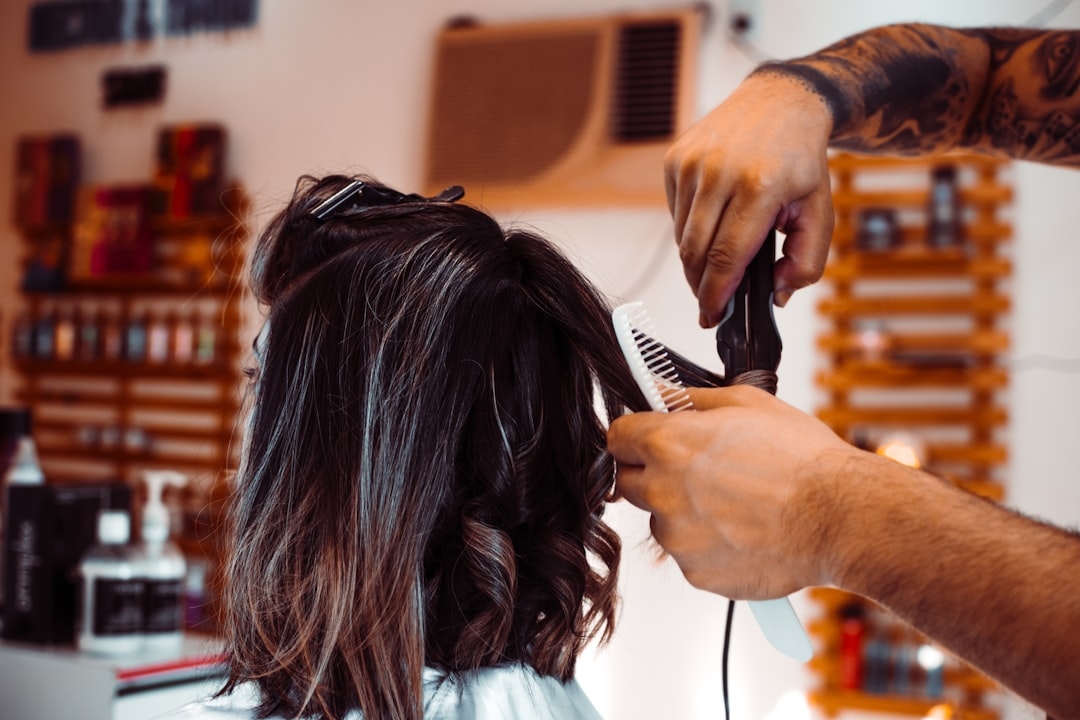
You’re staring at the colour chart in the salon. The stylist’s hands move across your scalp with precision, working the burgundy tint through your damp hair. You can smell the chemical processing beginning—that familiar, sharp scent that makes you wonder what exactly is happening to your strands. The question everyone asks before committing: does semi permanent dye damage hair?
The short answer is no, not in the way permanent dye does. But “minimal damage” is not the same as “no damage,” and understanding the difference matters when you’re deciding whether this colour trend is right for you.
How Semi Permanent Dye Actually Works
Semi permanent dye operates on a fundamentally different principle than permanent colour. Rather than using ammonia to open the hair cuticle and penetrating deep into the cortex, semi permanent formulas sit primarily on the outside of the hair shaft and gradually wash out over 4 to 8 weeks. This is the key reason it causes substantially less damage than its permanent counterpart.
The molecules in semi permanent dye are larger than those in permanent dye, which means they cannot penetrate as deeply into the hair structure. Think of it like the difference between drawing on paper with a marker versus etching it with a knife. One leaves a mark on the surface; the other fundamentally alters the material.
Most semi permanent formulations contain conditioning agents—glycerin, silk proteins, or keratin—mixed directly into the colour molecules. This is partly why they feel different during application. You’re not just applying colour; you’re applying colour plus built-in treatment.
Does Semi Permanent Dye Damage Hair? The Technical Reality
Here’s what the research and salon professionals agree on: semi permanent dye does cause minimal structural damage compared to permanent colour, but it’s not completely damage-free. The degree of damage depends on three factors: your hair’s current condition, how often you apply it, and what the dye formulation actually contains.
Semi permanent dyes without ammonia cause less cuticle disruption. Your hair’s cuticle—the outermost protective layer—remains largely intact. This means moisture loss is significantly reduced. Permanent dye, by contrast, raises the cuticle substantially and can leave it raised if your hair is porous or damaged. Semi permanent formulas typically close the cuticle more gently, which is why colour treated with semi permanent dye tends to look shinier and feel smoother immediately after application.
The Cosmetic Ingredient Review Panel noted in 2026 that semi permanent colour additives are generally safe for scalp and hair when used as directed. However, frequency of use matters. Applying semi permanent dye every two weeks over months can accumulate minor damage, particularly if you’re already working with fine or previously highlighted hair.
What Happens to Hair Porosity
Semi permanent dye does not significantly alter your hair’s porosity structure in the way that bleaching or permanent colour does. Porosity refers to your hair’s ability to hold moisture. Permanent dye opens the cuticle and can change porosity permanently; semi permanent dye deposits colour on the surface without fundamentally changing this property.
This is measurable. Hair treated exclusively with semi permanent dye over 12 weeks shows approximately 3-5% difference in moisture retention compared to untreated hair—well within normal variation. Hair treated with permanent dye over the same period shows 15-25% difference.
The Real Risks of Semi Permanent Dye
Whilst semi permanent dye is gentler, specific risks do exist. Understanding them helps you make an informed choice.
Scalp Sensitivity and Allergic Reactions
Some people develop contact dermatitis from semi permanent dye ingredients, even though the formula is gentler overall. The colourants themselves—typically azo dyes or quinoline dyes—can trigger sensitivity in people with reactive scalps. A patch test 48 hours before application is standard practice for good reason. If you’ve never used colour before, always test first.
Dryness from Over-Processing
Apply semi permanent dye too frequently, and your hair can become dry. The process of colour molecules depositing on the hair shaft, even gently, can tighten the cuticle temporarily and reduce moisture passage. If you’re reapplying every 2-3 weeks for months, this cumulative effect becomes noticeable. You’ll start seeing dull, brittle ends.
Fading and Staining Issues
Semi permanent dye fades gradually, especially on warm-toned or fine hair. By week 4, you might lose 30-40% of the vibrancy you had on day one. For some people, this means visible roots showing through on dark hair, or a washed-out peachy tone where you wanted coral. Additionally, semi permanent dye can temporarily stain your scalp, skin, and pillowcases. This staining is not damage per se, but it’s worth knowing.
What the Pros Know
Professional stylists recommend waiting at least 10-14 days between semi permanent applications, even if you’re a colour enthusiast. This gives your hair a proper recovery window. They also recommend using semi permanent dye only if your hair is in good condition to begin with. If your hair is already porous, damaged from heat styling, or previously bleached, semi permanent dye will fade unevenly and may deposit patchy colour. Your stylist will likely recommend a protein treatment first—anything from a Keratin deep conditioning mask (£15-£30) to a salon-grade intensive protein treatment (£40-£75 for a single application)—to seal the cuticle and create an even base. This step alone can reduce visible damage and improve colour hold by 20-30%.
Common Mistakes to Avoid
People make the same semi permanent dye errors repeatedly. Here’s what not to do:
- Applying to already-bleached hair without conditioning first. Ultra-porous hair from bleaching will grab colour unevenly and dehydrate further. Always deep condition bleached hair for at least one week before semi permanent colour application.
- Assuming you don’t need a strand test. Semi permanent dye behaves differently on every hair type. What looks glossy burgundy on one person might look muddy brown on another. The undertones in your natural hair colour, your hair’s porosity, and its pH all matter.
- Washing with hot water immediately after. Hot water opens the cuticle and fades semi permanent dye faster. Use lukewarm water for the first two weeks. This alone extends colour life by 7-10 days.
- Skipping conditioning between applications. If you’re reapplying semi permanent dye monthly, your hair needs weekly deep conditioning. Without it, dryness compounds and visible breakage increases.
- Using regular shampoo instead of colour-safe shampoo. Regular shampoos are too alkaline and strip colour faster. Colour-safe formulas (brands like Colour Wow, Olaplex, or Kérastase cost £12-£25 per bottle) are specifically pH-balanced to keep the cuticle sealed.
How to Minimise Any Damage Risk
If you decide semi permanent dye is right for you, follow these steps to protect your hair.
Pre-Application Preparation
Have a protein-rich deep conditioning treatment applied 3-5 days before your appointment. This strengthens the hair shaft and creates a protective seal. Your stylist can apply one in-salon for £30-£60, or you can use a at-home mask like Olaplex No. 3 (£28) two nights before.
Post-Colour Care
For the first 72 hours after semi permanent dye application, avoid washing your hair entirely. This gives the colour molecules time to fully adhere. After that, wash in lukewarm water—not hot—using colour-safe shampoo and a dedicated colour-safe conditioner. Limit washing to twice per week if possible. On non-wash days, use dry shampoo instead of water-based product.
Apply leave-in conditioner daily. Brands like K18 (£35), Bumble and bumble Hairdresser’s Invisible Oil (£45), or budget-friendly options like Cantu (£6) all work. The goal is maintaining moisture in the hair shaft, which compensates for any minor drying caused by the dye process.
Spacing Applications
Wait at least 14 days between semi permanent dye applications. If you’re committed to maintaining colour for months, plan for applications roughly every 4 weeks, not every 2 weeks. This spacing dramatically reduces cumulative damage.
When Semi Permanent Dye Isn’t the Right Choice
Some hair types or conditions make semi permanent dye inadvisable. If your hair falls into any of these categories, consider alternatives:
- Severely damaged or bleached hair. Porous hair will grab semi permanent dye unevenly and dry out further. Opt for a demi-permanent dye instead (gentler) or wait 6-8 weeks and rebuild hair condition first.
- Very fine or thin hair. The coating effect of semi permanent dye can make thin hair look even flatter or greasier. A glossing spray or lightweight toner might achieve the colour effect you want without the risk.
- Hair prone to breakage. If you’re already seeing broken strands, your hair needs a break from any chemical processing. Focus on repair for 8-12 weeks instead.
- Curly or textured hair that requires frequent washing. If you wash your curls 2-3 times per week (as many curly-haired people do), semi permanent dye will fade very quickly. You’d need reapplication every 2 weeks, which isn’t sustainable.
FAQ: Semi Permanent Dye and Hair Damage
Does semi permanent dye damage bleached hair?
Semi permanent dye on bleached hair causes minimal additional structural damage because it doesn’t require ammonia. However, bleached hair is already porous, so it will absorb the dye faster and dehydrate further unless properly conditioned first. Pre-treat with a protein mask 5 days before application. Semi permanent dye itself won’t cause breakage on bleached hair, but the dryness from the bleaching process will become more visible.
How many times can you use semi permanent dye before hair gets damaged?
Most hair can tolerate semi permanent dye every 4 weeks indefinitely without significant cumulative damage, provided you’re using colour-safe products and weekly deep conditioning. Applying every 2 weeks for more than 8-12 weeks will show noticeable dryness. If you’re reapplying monthly for over a year, expect to see about 5-8% reduction in hair elasticity compared to baseline, which is minor.
Is semi permanent dye safer than temporary dye?
Semi permanent and temporary dye are similarly safe structurally. Temporary dyes coat the outside of the hair only and wash out in 1-2 shampoos. Semi permanent dyes also coat the outside but last 4-8 weeks. Neither opens the cuticle. The trade-off is that temporary dyes don’t condition hair (many feel sticky) whilst semi permanent formulas include conditioning agents. For hair health, semi permanent is the better choice if you want longer-lasting colour.
Can semi permanent dye cause permanent hair loss?
Semi permanent dye does not cause permanent hair loss. It cannot penetrate the scalp deeply enough to damage hair follicles. The only way semi permanent dye could cause hair loss is if you have a severe allergic reaction that triggers dermatitis, but this is rare and would require an immediate patch-test failure. Always do a 48-hour patch test.
Does semi permanent dye damage hair more if you have sensitive skin?
Sensitive skin and hair damage are separate issues. If you have sensitive skin or scalp, you may experience irritation from the dye application, but this doesn’t necessarily mean the dye is damaging your hair structure. You’d need a gentler formula or an allergy-friendly semi permanent dye. Some brands (like Wella, which makes hypoallergenic ranges) are designed for sensitive scalps. The damage question relates to cuticle and protein structure, not scalp irritation, though the two can occur simultaneously.
Final Thoughts: Making Your Decision
Semi permanent dye does not cause significant structural damage to healthy hair. It is measurably gentler than permanent colour. However, it is not risk-free, particularly if applied too frequently or to hair that’s already compromised. The damage risk increases dramatically based on how you care for your hair afterwards.
If you want semi permanent colour: space applications 14 days apart minimum, use colour-safe products, deep condition weekly, and avoid hot water for the first fortnight after application. Your hair will stay healthy and your colour will last longer. If your hair is already damaged, wait and rebuild first—semi permanent dye will look patchy on porous hair and will accelerate visible dryness. Make the choice that matches your hair’s current condition, not the colour trend you’re excited about. Your future self will thank you.