Contents:
- Topic unpacking: why “safest” matters more than “most popular”
- History and context: how extension safety has improved
- Key aspects: ranking the methods from safest to riskiest
- Hand-tied wefts (safest)
- Tape-ins
- Micro bonds / micro rings
- Keratin fusion bonds
- Clip-ins (safe short-term, riskier long-term)
- Expert insights: what separates a safe application from a risky one
- Regional differences across the UK
- A personal example: getting it wrong before getting it right
- Practical application: getting removal right matters as much as application
- FAQ: safety and hair extension methods
- Which extension method causes the least damage to fine hair?
- How often should extensions be removed and given a break?
- Can bad extension application cause permanent hair loss?
- Is removal really as risky as application?
- Choosing safety without sacrificing style
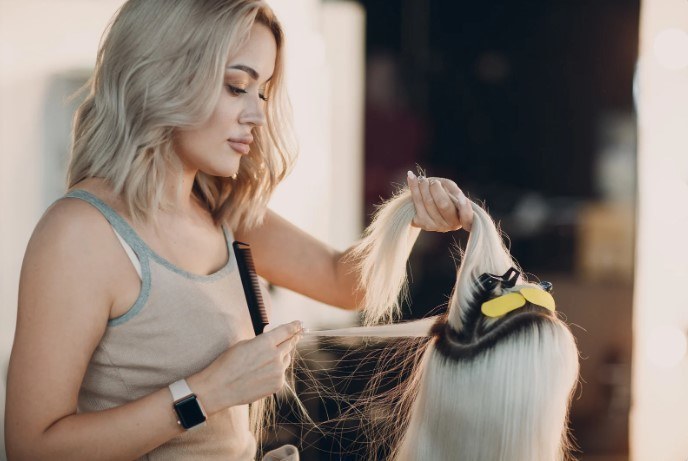
Fingers running along a fresh row of hand-tied wefts, the weight settling naturally against the scalp, a mirror check from three angles before the stylist nods and reaches for the next section — that quiet moment of confirmation is what separates a technician who prioritises hair health from one racing through an appointment. Professional hair extensions london clients seek out are, above all, judged on one thing above style or price: how gently the method treats what’s growing underneath.
Topic unpacking: why “safest” matters more than “most popular”
Not every extension method carries the same risk to natural hair. Some rely on heat, some on adhesive, some on tension from clips or braids, and each interacts differently depending on hair thickness, scalp sensitivity and how well the technician manages weight distribution. Ranking methods by safety rather than popularity gives a much clearer picture for anyone planning to wear extensions for months or years rather than a single event.
History and context: how extension safety has improved
Early fusion and bonding methods from the 2000s relied heavily on hot glue guns and keratin applied at high temperatures, which caused genuine damage when technicians weren’t properly trained or when clients kept extensions in for too long between maintenance visits. The 2010s brought tape-ins and micro-link methods that reduced heat exposure significantly. By 2026, hand-tied weft techniques and cold-fusion bonds have become the gold standard for minimising stress on natural hair, provided they’re applied by someone with genuine training rather than a quick certification course.
Key aspects: ranking the methods from safest to riskiest
1. Hand-tied wefts (safest)
Hand-tied wefts distribute weight evenly across a small beaded row rather than concentrating tension on individual strands, making them the gentlest option for most hair types, including fine or previously damaged hair.
2. Tape-ins
Tape-ins involve no heat and minimal tension when applied correctly, though repeated removal and reapplication with harsh adhesive removers can weaken hair over time if not handled carefully.
3. Micro bonds / micro rings
These use small silicone-lined rings rather than heat or adhesive, making them a solid mid-tier option, though incorrect ring tightness can create localised tension if the technician isn’t experienced.
4. Keratin fusion bonds
Fusion bonds use heated keratin to attach extensions strand by strand, offering a very natural, undetectable finish, but requiring precise temperature control to avoid weakening the hair shaft.
5. Clip-ins (safe short-term, riskier long-term)
Clip-ins involve no chemicals or heat and are the safest option for occasional wear, but daily long-term use can cause breakage at the clip contact points if not rotated carefully.
Expert insights: what separates a safe application from a risky one
The single biggest factor in extension safety isn’t the method itself but the skill of the person applying it. A well-trained technician working with a slightly riskier method, like keratin fusion, will typically cause less damage than an inexperienced one applying the “safest” hand-tied wefts with uneven tension. That’s why choosing a salon with genuinely trained stylists matters more than choosing a method based on safety rankings alone.
Regional differences across the UK
London’s concentration of specialist salons means clients here generally have far more access to hand-tied weft specialists than those in many regions across the North of England or Scotland, where tape-ins and clip-ins remain more common simply due to technician availability. This is one reason clients from outside London often travel specifically for appointments with professional hair extensions london studios like Ivana Farisei, where multiple methods are available under one roof with genuinely trained staff for each.
A personal example: getting it wrong before getting it right
One client who’d previously had fusion bonds applied at a budget salon described the removal process as “the worst part of the whole experience” — the technician used excessive heat and pulled rather than carefully dissolving the bonds, leaving noticeable breakage at the root. After switching to Ivana Farisei for her next set, the same client noted the stark difference in the consultation alone: a full assessment of the previous damage before any new extensions were even discussed, followed by a recommendation to wait several weeks for her hair to recover before reapplication.
Practical application: getting removal right matters as much as application
Safe extension wear doesn’t end with the fitting appointment — how extensions come out matters just as much as how they go in. Proper hair extensions removal involves carefully dissolving bonds or unclipping wefts without pulling on the natural hair shaft, something rushed or budget salons frequently skip in favour of speed. Ivana Farisei treats removal appointments with the same care as fittings, checking hair condition afterwards and recommending a short recovery period before any reapplication.
For clients whose natural hair needs some recovery time between extension sets, a keratin hair treatment can help restore smoothness and manageability, though it’s worth booking this as a separate appointment rather than combining it with extension work.
FAQ: safety and hair extension methods
Which extension method causes the least damage to fine hair?
Hand-tied wefts are generally considered the gentlest option for fine or fragile hair, since the weight is distributed across a wider area rather than concentrated on individual strands.
How often should extensions be removed and given a break?
Most stylists recommend a break of several weeks between extension sets, particularly if any tension or thinning has been noticed at the roots.
Can bad extension application cause permanent hair loss?
In rare cases where tension is excessive and prolonged, traction alopecia can develop, which is why choosing an experienced technician matters far more than choosing a specific method.
Is removal really as risky as application?
Yes — rushed or forceful removal is one of the most common causes of breakage, often more so than the original application itself.
Choosing safety without sacrificing style
The safest approach to hair extensions isn’t necessarily the cheapest or the trendiest method, but the one applied and removed by someone who genuinely understands how to protect the hair underneath. Salons that offer a full range of methods, honest consultations and proper aftercare consistently produce better long-term results than those focused purely on speed or volume of clients.

Add Comment