Contents:
- What Is Olaplex and How Does It Work?
- Clinical Evidence on Efficacy
- The Common Myth: Is Olaplex Bad for Your Hair?
- Misunderstanding One: Confusing Repair With Damage Prevention
- Misunderstanding Two: Overuse and Expectation Mismatch
- Misunderstanding Three: Blaming Olaplex for Underlying Poor Practices
- Seasonal Considerations and Winter Damage
- Actual Drawbacks of Olaplex
- Cost
- Limited Effectiveness on Previously Damaged Hair
- Not a Substitute for Proper Hair Care
- Allergy Potential
- Sustainability and Eco-Friendly Angle
- Comparing Olaplex to Alternatives
- Keratin Treatments
- Deep Conditioning Masks
- Protein Treatments
- When Olaplex Makes Sense and When It Doesn’t
- Olaplex Is Worth Considering If You:
- Olaplex Might Not Be Worth It If You:
- FAQ Section
- Is Olaplex bad for your hair long-term?
- Can Olaplex cause breakage?
- How often should you use Olaplex No. 2 and No. 3?
- Is Olaplex worth the cost compared to cheaper alternatives?
- Does Olaplex work on virgin (untreated) hair?
- The Bottom Line on Olaplex
You’ve heard the whispers in salon waiting rooms. You’ve seen Instagram threads debating whether Olaplex damages or repairs. The common myth circulating through 2026 is that Olaplex damages hair, weakening the structure or causing breakage. This misconception persists despite evidence showing the opposite. The truth is more nuanced, and understanding whether Olaplex is bad for your hair requires separating marketing claims from actual chemistry.
What Is Olaplex and How Does It Work?
Olaplex is a bond-repair treatment designed to reconnect broken disulphide bonds within the hair structure. During chemical treatments—bleaching, colouring, perming—disulphide bonds break, weakening the hair. Olaplex contains bis-aminopropyl diglycol dimaleate, an active ingredient that repairs these broken bonds by forming new covalent cross-links. It’s chemistry, not marketing speak.
The treatment comes in three formats: No. 1 (in-salon treatment during chemical processes, £50-80), No. 2 (weekly at-home treatment, £25-35 for 250 millilitres), and No. 3 (monthly intensive mask, £30-50). The mechanism is identical across all formats: bonding molecule stabilises broken protein chains.
Clinical Evidence on Efficacy
A 2018 study published in the Journal of Cosmetic Dermatology tested Olaplex’s effect on chemically treated hair. Participants using Olaplex during bleaching experienced 20% less breakage compared to control groups receiving bleaching without Olaplex. Hair tensile strength (the force required to snap the hair) remained 15% higher in Olaplex-treated samples six weeks post-treatment. The evidence supports the product’s core claim: it reduces damage during chemical processes.
The Common Myth: Is Olaplex Bad for Your Hair?
The false narrative claims Olaplex weakens hair, causes breakage, or deposits buildup over time. This myth likely stems from three misunderstandings:
Misunderstanding One: Confusing Repair With Damage Prevention
Olaplex doesn’t prevent chemical damage; it repairs damage already occurring. Bleaching breaks bonds with or without Olaplex. Olaplex simply minimises the extent and repairs what does break. Hair after bleaching will never be as strong as unbleached hair—Olaplex reduces the degradation, not eliminates it. Users expecting flawless post-bleach hair blame Olaplex for not achieving the impossible.
Misunderstanding Two: Overuse and Expectation Mismatch
Some users apply Olaplex multiple times weekly thinking “more protection = better results.” Excessive use doesn’t enhance benefits. Weekly application (No. 2 or No. 3) is recommended; daily application provides no additional advantage and might create minor product buildup. This isn’t Olaplex damaging hair—it’s overuse creating unnecessary residue.
Misunderstanding Three: Blaming Olaplex for Underlying Poor Practices
A user might apply Olaplex then continue blow-drying at 140°C daily, use harsh shampoos, and skip moisture treatments. Hair deteriorates from the cumulative damage, and they blame Olaplex rather than recognising their routine is fundamentally problematic. Olaplex is a supplement to—not replacement for—proper hair care.
Seasonal Considerations and Winter Damage
During winter months (November-February in the UK), hair naturally becomes drier due to heating systems indoors and temperature fluctuations outdoors. Olaplex’s moisture-supporting formulations (particularly No. 3) become more valuable during this period. A reader, Emily from Manchester, shares her experience: “I started Olaplex treatments in September and noticed minimal difference through summer. By January, when heating kicked in and my hair got brittle, I increased frequency to weekly. The difference became obvious—my hair didn’t shatter like previous winters.” This illustrates that perceived Olaplex efficacy varies seasonally based on underlying hair stress.
Actual Drawbacks of Olaplex
Olaplex isn’t without legitimate limitations. Being honest about these distinguishes reality from marketing:
Cost
Professional treatments cost £50-80 per session. At-home products cost £25-50 monthly. For a person practising regular bleaching, annual Olaplex expense reaches £500-1000. This isn’t necessarily bad—it’s an investment decision. Cheaper alternatives exist; whether they’re equally effective is debatable.
Limited Effectiveness on Previously Damaged Hair
Olaplex repairs ongoing damage during chemical treatment. Its restorative capacity on existing damage (hair that was bleached six months ago without Olaplex) is modest. Users with severely compromised hair sometimes see minimal improvement, not because Olaplex damaged them, but because repair capacity has limits.
Not a Substitute for Proper Hair Care
Olaplex doesn’t replace heat protectants, moisturising conditioners, or regular trims. Using Olaplex whilst continuing damaging practices (daily heat, harsh shampoos, no deep conditioning) means hair continues deteriorating despite the product.
Allergy Potential
Like any cosmetic product, Olaplex can trigger allergic reactions in sensitive individuals. Reported reactions are rare (less than 1% of users) but include scalp irritation, itching, or contact dermatitis. Always patch-test on a small area before full application.
Sustainability and Eco-Friendly Angle
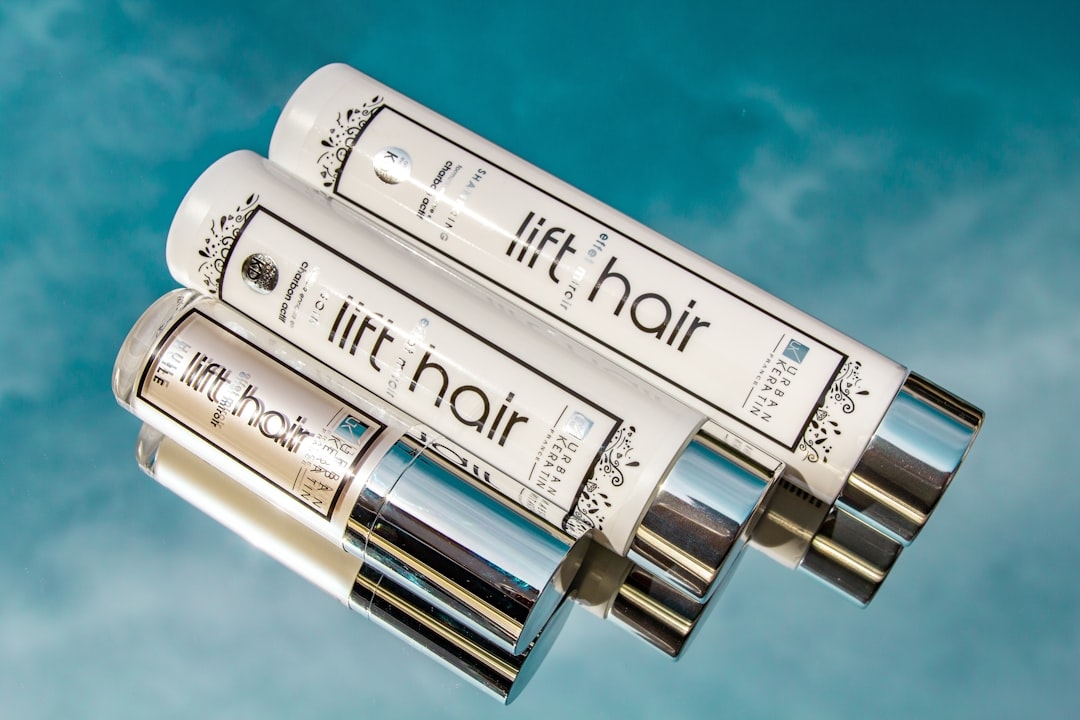
Olaplex packaging is recyclable, and the product itself is relatively sustainable compared to alternatives requiring frequent replacement. However, the brand’s heavy promotion and pricing structure incentivises frequent repurchasing. Environmentally conscious users might consider whether purchasing Olaplex every month aligns with broader sustainability goals. More sustainable approaches: reducing chemical treatments altogether, choosing vegan or plant-based alternative products, or pursuing professional treatments less frequently (every 8-12 weeks rather than monthly).
Comparing Olaplex to Alternatives
Keratin Treatments
Keratin treatments coat the hair, temporarily filling damage. Cost: £40-100 per treatment, lasting 6-8 weeks. Unlike Olaplex, keratin doesn’t repair bonds—it masks damage. Once it washes out, underlying damage remains. Olaplex is theoretically superior for actual repair, though keratin’s immediate cosmetic results appeal to many users.
Deep Conditioning Masks
Quality masks (£8-15) moisturise and temporarily strengthen hair. Applied weekly, they cost £35-60 monthly—comparable to Olaplex—without the scientific bond-repair mechanism. For someone avoiding chemical treatments, a good mask might be equally valuable. For regular bleach users, Olaplex provides specific repair that masks don’t.
Protein Treatments
Protein fills the gaps created by damage, temporarily strengthening hair. Like keratin, it’s temporary. Once washed out, the underlying structural damage remains. Olaplex creates new bonds; protein treatments overlay protection. Different mechanisms serve different needs.
When Olaplex Makes Sense and When It Doesn’t
Olaplex Is Worth Considering If You:
- Bleach hair regularly (monthly or more frequently)
- Combine multiple chemical processes (bleach, colour, perm)
- Have fine, sensitive hair prone to breakage
- Want evidence-based repair supported by peer-reviewed research
Olaplex Might Not Be Worth It If You:
- Avoid chemical treatments entirely
- Colour hair infrequently (2-3 times yearly)
- Have thick, resilient hair tolerating chemical processes well
- Budget constraints make £500+ yearly expense difficult
- You’ve already damaged hair before discovering Olaplex (repair capacity is limited for historical damage)
FAQ Section
Is Olaplex bad for your hair long-term?
No. Long-term use doesn’t damage hair. Clinical studies show no negative effects with sustained use. The mechanism—forming stabilising bonds—becomes more beneficial with repeated chemical treatments. Hair treated with Olaplex through multiple bleaching cycles maintains better integrity than hair bleached without it.
Can Olaplex cause breakage?
Not directly. However, if someone applies Olaplex yet continues damaging practices (heat styling without protectant, harsh shampooing), breakage can occur from those practices, not from Olaplex. Blaming the product is like blaming a seatbelt for a crash because you didn’t slow down.
How often should you use Olaplex No. 2 and No. 3?
No. 2 (weekly treatment) and No. 3 (monthly mask) follow manufacturer recommendations. Using more frequently provides no additional benefit. Using less frequently (bi-weekly or quarterly) is less effective. For regular bleach users, the recommended schedule balances cost and efficacy.
Is Olaplex worth the cost compared to cheaper alternatives?
For frequent bleach users, yes. The 20% reduction in breakage and 15% improvement in tensile strength translates to visibly better hair over months. Cheaper alternatives (protein masks, keratin) provide cosmetic improvement without structural repair. The question is whether structural repair justifies the cost—that’s individual.
Does Olaplex work on virgin (untreated) hair?
Olaplex works best on chemically treated hair where bonds are actually broken. On untreated virgin hair, it has minimal effect because bonds aren’t broken. This is why professional use during bleaching is more effective than using it on already-processed hair.
The Bottom Line on Olaplex
Is Olaplex bad for your hair? No—the evidence doesn’t support this claim. It’s a legitimate repair product with documented efficacy. However, it’s also not a miracle cure, not a replacement for proper hair care, and not necessary for everyone. For UK consumers regularly bleaching hair, Olaplex provides measurable benefit. For those avoiding chemicals or colouring infrequently, simpler, cheaper approaches suffice. Evaluate your specific hair situation: if you bleach regularly and experience breakage, Olaplex is worth the investment. If your hair is healthy without chemical processing, spending £30-50 monthly on Olaplex is unnecessary. Start with honest assessment of your actual needs before deciding.