Contents:
- Understanding Why Blonde Hair Presents Challenges
- Melanin Density and Hair Colour
- Which Laser Technologies Work Best for Blonde Hair?
- Diode Lasers
- Nd:YAG Lasers
- Alexandrite Lasers
- Treatment Timeline and Seasonal Considerations
- What Results Can You Realistically Expect?
- The Numbers
- Maintenance Sessions
- Cost Breakdown for Blonde Hair Treatment
- Factors That Improve Your Chances of Success
- Skin Tone and Contrast
- Hair Thickness
- Hair Length Before Treatment
- Practical Tips for Maximising Results
- Frequently Asked Questions
- Can I colour my blonde hair darker to improve laser results?
- Is electrolysis better than laser for blonde hair?
- How long until I see results with blonde hair?
- Will my blonde hair grow back darker after laser treatment?
- Can I combine laser treatment with other hair removal methods?
- Moving Forward With Informed Expectations
Laser hair removal is less effective on fine, light blonde hair than on darker hair types. However, newer technologies (diode and Nd:YAG lasers) have improved results significantly. Most people see 40-70% permanent reduction with multiple sessions, though results vary based on skin tone and hair pigmentation.
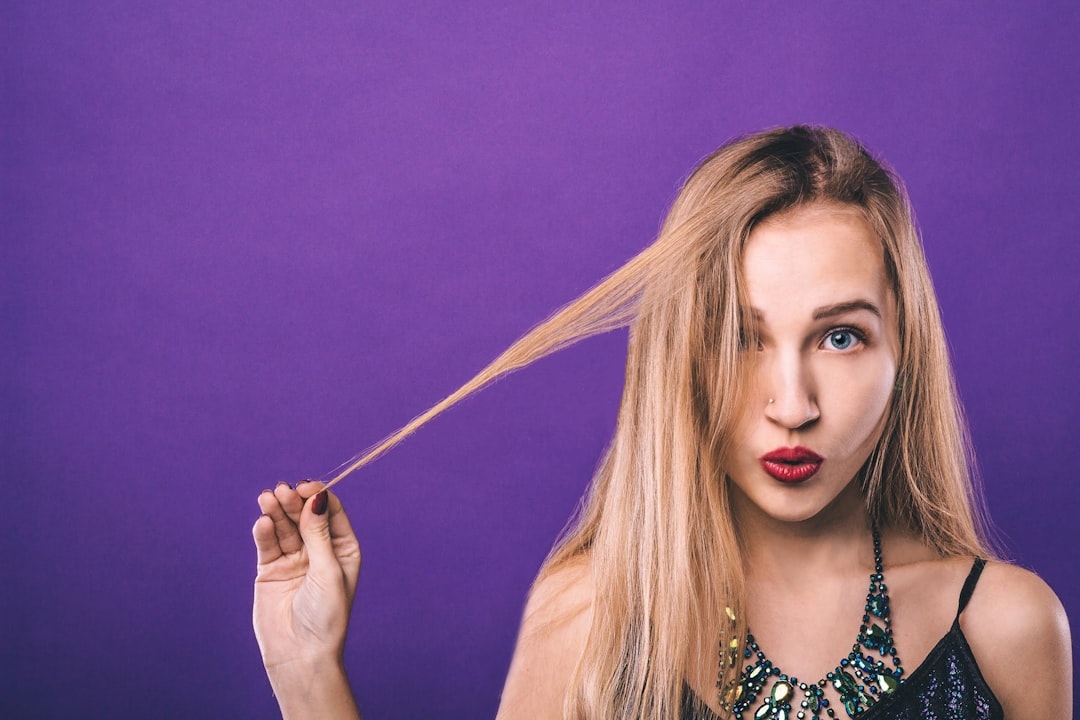
Blonde hair has long carried a reputation as the “difficult” candidate for laser hair removal. Many people believe their fair locks make them ineligible for the treatment altogether. The truth is far more nuanced. Laser technology has evolved considerably, and whilst challenges do exist for blonde hair removal, successful outcomes are absolutely achievable with the right approach.
Understanding Why Blonde Hair Presents Challenges
Laser hair removal relies on melanin—the pigment that colours both skin and hair. The laser targets melanin in the hair shaft and heats it to destroy the follicle. This mechanism works brilliantly on dark hair with high melanin content. Blonde hair, containing significantly less melanin, absorbs far less laser energy, making it harder to damage the follicle effectively.
The challenge isn’t that blonde hair cannot be treated; it’s that the laser must work harder to achieve results. A person with jet-black hair might need 6-8 sessions for permanent reduction, whilst a blonde-haired individual may require 8-12 sessions of the same treatment. Sessions typically cost £60-£150 per area, so expect to invest between £480-£1,800 for a full course on larger areas.
Melanin Density and Hair Colour
Hair colour exists on a spectrum. Ash blonde, honey blonde, and platinum blonde all contain different melanin levels. Ash blonde hair contains slightly more pigment than platinum blonde, which means it may respond somewhat better to treatment. Conversely, very fine, platinum blonde hair presents the greatest difficulty, as it combines low pigmentation with fine diameter.
Which Laser Technologies Work Best for Blonde Hair?
Not all lasers perform equally on blonde hair. Understanding the options helps you choose the most effective treatment.
Diode Lasers
Diode lasers operate at a 808nm wavelength and are among the most effective for light hair. They penetrate deeply whilst remaining precise, making them better suited for blonde hair than older ruby or alexandrite lasers. Clinics charging £90-£150 per session typically use diode technology.
Nd:YAG Lasers
The Nd:YAG laser (1064nm wavelength) offers the longest wavelength, allowing it to bypass surface melanin and target deeper hair follicles. This makes it particularly useful for lighter hair on fair skin. Treatment with Nd:YAG lasers typically costs £100-£160 per session.
Alexandrite Lasers
Alexandrite systems work well on darker skin tones and darker hair but are less ideal for fine blonde hair due to their shorter wavelength (755nm). Many clinics have phased these out for general use, though they remain popular for specific applications.
Treatment Timeline and Seasonal Considerations
Hair grows in cycles: the anagen (growth) phase, catagen (transition) phase, and telogen (resting) phase. Laser treatment only destroys hair in the active growth phase, which is why multiple sessions are necessary. Typically, you’ll need sessions spaced 6-8 weeks apart.
For planning purposes, if you begin treatment in January 2026, you could expect preliminary results by April, with significant reduction visible by July. Many people schedule their first course from autumn through spring, aiming to have smoother skin by late summer. Blonde hair on fair skin may take longer to show visible differences between sessions, so patience and consistent attendance matter greatly.
What Results Can You Realistically Expect?
Expectations should be grounded in reality. Permanent hair reduction is the accurate term—most people don’t achieve complete permanent removal, particularly with blonde hair.
The Numbers
Clinical studies show that blonde hair responds to laser treatment with 40-70% permanent reduction after 8-12 sessions. “Permanent” means hairs don’t regrow for an extended period (typically years), though fine regrowth may occur eventually. By contrast, dark hair often achieves 70-90% reduction.
Fine, light blonde hair on very fair skin (Fitzpatrick type I or II) tends toward the lower end of this range. Darker blonde hair on medium skin may achieve the higher percentages. Individual variation is substantial.
Maintenance Sessions
Most people with blonde hair require maintenance sessions annually or every 18 months after completing their initial course. These cost £60-£120 per session and prevent regrowth from becoming noticeable.
Cost Breakdown for Blonde Hair Treatment
Pricing varies by clinic location and technology used. Here’s what you’ll typically encounter in the UK in 2026:
- Upper lip or chin: £60-£100 per session
- Underarms: £70-£120 per session
- Half legs: £150-£250 per session
- Full legs: £200-£350 per session
- Full face: £120-£180 per session
- Bikini area: £100-£180 per session
Package deals offering 6-8 sessions upfront typically reduce the per-session cost by 20-30%, bringing a full-leg course down from £1,600-£2,800 to roughly £1,200-£1,960.
Factors That Improve Your Chances of Success
Skin Tone and Contrast
Higher contrast between hair and skin improves laser effectiveness. If you have very fair skin and ash blonde hair, you have better contrast than someone with olive skin and honey blonde hair. This isn’t a dealbreaker but does influence expected results.
Hair Thickness
Finer hair is more challenging than coarser blonde hair. Thicker blonde hairs absorb more laser energy, so they respond better. If your blonde hair is naturally thick or coarse, your prognosis improves significantly.
Hair Length Before Treatment
Your clinician will ask you to shave the area 24 hours before treatment—never wax or pluck, as the laser needs the hair root intact beneath the skin. Proper pre-treatment preparation ensures the laser targets the follicle effectively.
Practical Tips for Maximising Results
- Choose the right clinic: Ensure they have diode or Nd:YAG technology and experience treating blonde hair. Ask to see before-and-after photos of blonde-haired clients.
- Attend all scheduled sessions: Missing sessions disrupts the treatment cycle. Hair grows at different rates, and consistent timing matters.
- Avoid sun exposure: Tanned skin reduces contrast and increases burn risk. Avoid sunbeds and direct sun for two weeks before and two weeks after each session.
- Use SPF 50+ daily: For two weeks post-treatment, sunscreen protects against hyperpigmentation (dark patches) that can occur even on fair skin.
- Skip plucking between sessions: Shaving is fine; plucking disrupts the regrowth cycle and reduces treatment effectiveness.
- Stay hydrated: Well-hydrated skin responds better to treatment. Drink 2-3 litres of water daily, especially in the week before and after sessions.
Frequently Asked Questions
Can I colour my blonde hair darker to improve laser results?
Temporarily darkening blonde hair with dye does not improve laser effectiveness. The laser targets melanin in the hair shaft itself, not dye molecules on the surface. Hair dye offers no benefit and adds unnecessary chemical exposure.
Is electrolysis better than laser for blonde hair?
Electrolysis (permanent hair removal using electrical current) works on all hair colours, including blonde. However, it treats one hair at a time, making it slow and expensive—often £1-£3 per hair. For large areas, laser remains more cost-effective, even with repeated sessions. Electrolysis suits small, stubborn areas like chin hairs where laser has underperformed.
How long until I see results with blonde hair?
Most people see initial thinning after 2-3 sessions (12-16 weeks in). Significant reduction becomes obvious by session 6-8. The timeline is longer for blonde hair than darker hair types because each session removes fewer hairs.
Will my blonde hair grow back darker after laser treatment?
No. Laser treatment doesn’t alter the colour of remaining hairs. Regrowth appears the same colour as before treatment. This misconception likely stems from the fact that finer, lighter hairs are destroyed first, leaving behind the thicker, slightly darker hairs—making remaining hair appear darker by comparison.
Can I combine laser treatment with other hair removal methods?
Yes. Many people use laser as their primary treatment, then supplement with razors between sessions. Threading or dermaplaning (gentle mechanical exfoliation) are safe alongside laser. Avoid waxing and plucking, as these disrupt the hair cycle that laser depends on.
Moving Forward With Informed Expectations
Laser hair removal for blonde hair is genuinely possible, though it demands more patience and investment than darker hair types. The key lies in choosing appropriate technology (diode or Nd:YAG), selecting an experienced clinician, and committing to the full treatment course. Expect to spend £480-£1,800 for a complete course on smaller areas, up to £2,000-£3,500 for full-body treatment across multiple zones. With realistic expectations—40-70% permanent reduction rather than complete removal—many fair-haired people achieve hair-free results that justify the time and expense. If you’re considering this treatment, request a consultation where the clinic can assess your specific hair and skin characteristics and provide personalised projections.