Contents:
- Why Cocaine Binds to Hair
- Detection Timeline: How Long Does Cocaine Stay in Your Hair?
- Single Use vs. Chronic Use
- What the Pros Know
- Factors That Influence Hair Cocaine Detection
- Hair Colour and Melanin Content
- Hair Texture and Porosity
- Individual Metabolism
- Frequency and Quantity of Use
- Hair Testing Methods and Sensitivity
- Common Mistakes to Avoid
- Practical Implications for Different Scenarios
- Employment Testing
- Legal and Regulatory Monitoring
- Personal Health Assessment
- Frequently Asked Questions
- Can cocaine stay in hair longer than 90 days?
- Does cutting your hair remove cocaine?
- How accurate is hair cocaine testing?
- Does hair colour affect test results?
- Can environmental exposure cause a positive hair test?
- Moving Forward with Clarity
Quick Answer
Cocaine and its metabolite benzoylecgonine can be detected in hair for up to 90 days after use, potentially longer in some cases. A single use may show positive results within 5–7 days, whilst chronic use creates a longer detection window. Hair growth and individual metabolism affect the exact timeline.
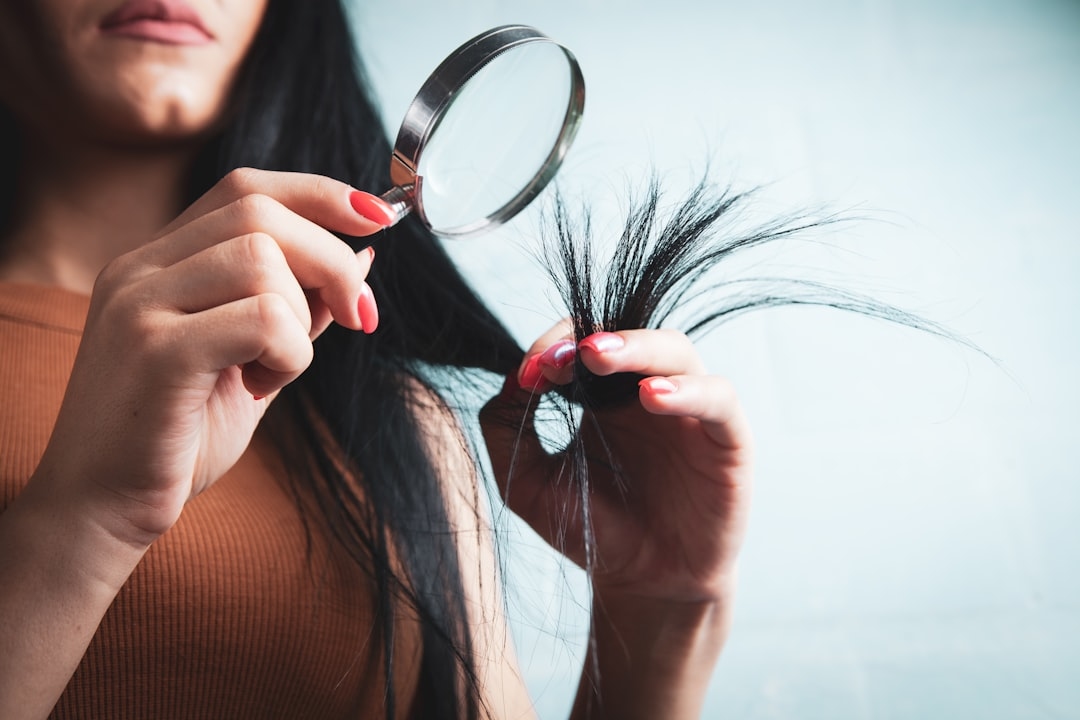
Hair testing has become the gold standard for detecting long-term substance use, and cocaine presents a particularly interesting case. Unlike blood or urine tests that show recent use, hair analysis reveals a historical record. The question of how long cocaine stays in your hair involves chemistry, biology, and practical laboratory science.
Why Cocaine Binds to Hair
Cocaine and its primary metabolite, benzoylecgonine, don’t just pass through your body—they actively bind to the hair shaft itself. When you use cocaine, the drug enters your bloodstream and circulates throughout your body. As blood flows to your scalp, cocaine molecules cross into the growing hair follicle. There, they become trapped in the keratin protein structure of the hair.
This binding process is what makes hair testing so reliable. Unlike sweat or saliva, hair preserves a chemical record. The drug remains locked in place, creating a timeline you can literally read from root to tip. Hair grows at approximately 0.4 millimetres per day, or about 15 centimetres per year. This growth rate becomes the measurement scale for detection.
Detection Timeline: How Long Does Cocaine Stay in Your Hair?
The standard detection window for cocaine in hair is approximately 90 days. Most laboratories test the proximal 1.5 inches (around 3.8 centimetres) of hair from the scalp, which represents roughly the previous three months of growth.
Single Use vs. Chronic Use
A one-time use might become detectable within 5–7 days, though some tests can pick it up within 48 hours if cocaine levels are high enough. Chronic users accumulate benzoylecgonine throughout their hair shaft, creating a stronger, more persistent signal that extends the detection window.
Someone who uses cocaine regularly over weeks or months will show positive results across a much longer section of hair. In extreme cases, traces may be detected beyond 90 days, particularly in thick hair or with sensitive laboratory equipment.
What the Pros Know
Laboratory technicians and forensic professionals understand that hair testing isn’t purely about presence or absence—it’s about concentration levels. Laboratories set threshold limits (typically 300 nanograms per milligramme of hair for workplace testing in the UK, following SAMHSA guidelines). A faint positive near these thresholds may indicate older use or environmental contamination, whereas high concentrations clearly indicate more recent or heavier use. Understanding this nuance matters when interpreting results.
Factors That Influence Hair Cocaine Detection
Hair Colour and Melanin Content
Dark hair, particularly black hair, contains more melanin than blonde or grey hair. Melanin acts as a binding site for cocaine molecules, meaning darker hair may retain cocaine longer and show higher concentrations. Someone with black hair might test positive longer than someone with the same usage pattern but blonde hair. This isn’t anecdotal—forensic research confirms this difference consistently.
Hair Texture and Porosity
Coarse, curly hair provides more surface area and binding sites than straight, fine hair. Porous hair absorbs and retains drugs more effectively. Your natural hair texture, therefore, affects how long cocaine remains detectable.
Individual Metabolism
People metabolise drugs at different rates. Factors like age, liver function, kidney health, and genetic variation all influence how quickly your body breaks down cocaine. Faster metabolism might mean lower hair concentrations, though the drug will still be present.
Frequency and Quantity of Use
Obviously, using more cocaine more frequently means more drug molecules bind to more hair. Someone using once has very different hair test results than someone using multiple times weekly.
Hair Testing Methods and Sensitivity
Most UK laboratories use either gas chromatography-mass spectrometry (GC-MS) or liquid chromatography-mass spectrometry (LC-MS). These methods can detect cocaine at concentrations as low as 10–50 nanograms per milligramme of hair, though confirmation testing typically uses a 300 nanogramme threshold.
Some facilities offer extended detection testing on longer hair samples. A 6-inch sample covers approximately six months rather than three. This extended window is useful for employment screening, legal cases, or monitoring programmes where historical use matters.
Common Mistakes to Avoid
- Assuming environmental exposure won’t trigger a positive: Living with someone who uses cocaine or handling contaminated money can theoretically deposit drug residue in your hair. Whilst true positives require active circulation through the bloodstream, environmental exposure is a recognised limitation of hair testing.
- Thinking hair washing removes cocaine: Normal shampooing doesn’t remove cocaine from inside the hair shaft. The drug is chemically bound to the keratin protein. You cannot wash it out. This is why hair testing is so reliable.
- Believing dyed or bleached hair loses detection: Chemical treatments can slightly reduce drug concentration, but they don’t eliminate it. Research shows even heavily processed hair retains detectable levels.
- Expecting hair growth to eliminate evidence: New hair grows from the root, but old contaminated hair doesn’t disappear—it remains on your head until cut. Only cutting off the contaminated section removes it physically.
Practical Implications for Different Scenarios
Employment Testing
UK employers commonly use hair testing for safety-sensitive positions. If you used cocaine even once three months ago, you might test positive. Some employers accept a GBP £200–£400 hair test as part of pre-employment screening.
Legal and Regulatory Monitoring
Courts sometimes require hair testing as part of probation or rehabilitation monitoring. The 90-day window provides clear evidence of compliance or non-compliance over a substantial period.
Personal Health Assessment
Seeking a private hair test costs between GBP £150–£350 depending on the laboratory and whether you want standard or extended detection panels.
Frequently Asked Questions
Can cocaine stay in hair longer than 90 days?
Yes. Whilst 90 days is the standard detection window based on typical hair growth, cocaine may remain detectable for 120 days or longer in very thick hair or with sensitive testing methods. However, standard laboratory procedures typically report results based on the 90-day window.
Does cutting your hair remove cocaine?
Only by removing the contaminated hair physically. Cutting off the section that contains cocaine eliminates it from your head. The drug itself doesn’t wash out or disappear through normal hygiene.
How accurate is hair cocaine testing?
When performed by accredited laboratories using GC-MS or LC-MS confirmation, accuracy exceeds 99 per cent for positive samples above the threshold. False positives are rare with proper confirmation testing, though initial screening tests have higher false-positive rates.
Does hair colour affect test results?
Yes. Darker hair retains cocaine longer and shows higher concentrations due to melanin binding. A person with black hair might test positive longer than someone with blonde hair, given identical cocaine use.
Can environmental exposure cause a positive hair test?
True environmental contamination (passive exposure) is theoretically possible but extremely rare. Laboratories understand this and set thresholds accordingly. Active use produces much higher concentrations than passive exposure, making it distinguishable with proper testing protocols.
Moving Forward with Clarity
Understanding cocaine detection in hair means appreciating both the biology and the practical limitations. Hair testing reveals a three-month history with remarkable reliability, but individual factors—metabolism, hair characteristics, frequency of use—create variation around that 90-day window. If you’re facing a hair test for employment, legal, or personal reasons, knowing these factors helps you understand what the result actually means. If you’re considering substance use and wondering about detection, remember that hair testing documents your choices clearly for months, far longer than most other testing methods. That clarity, whilst sometimes uncomfortable, also provides a straightforward measure of commitment to change.